Blog ·
Transform Your Entryway Closet Into a Functional Command Center
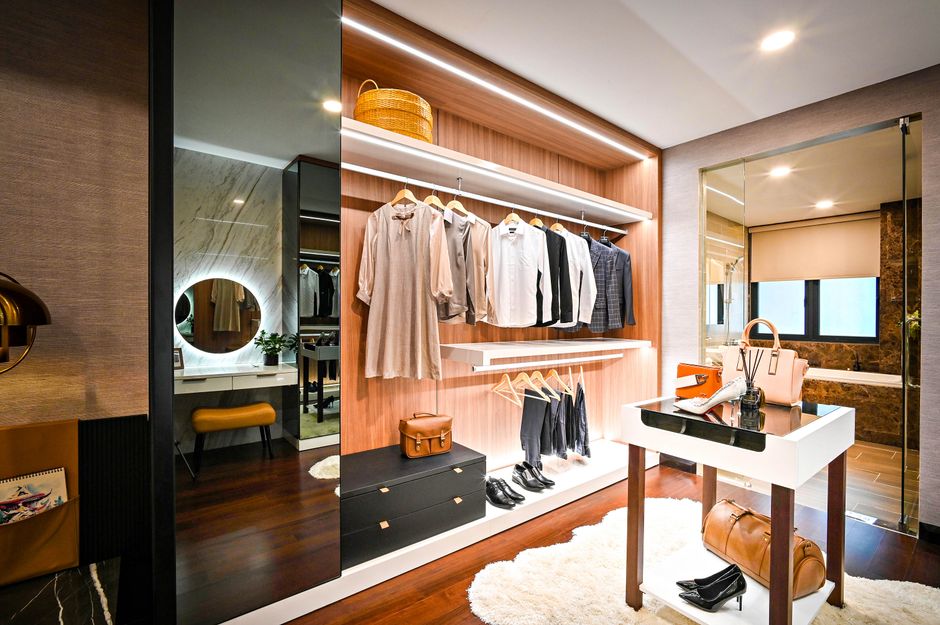
The entryway closet is often the most-used closet in a home, yet it's frequently the most disorganized. This is where coats, shoes, bags, hats, and seasonal items collide in chaos. A well-designed custom entryway closet becomes a functional command center that serves your entire household.
Creating Zones for Different Purposes
Start by thinking about who uses this closet and what they need to access. If you have a family, each person might need their own zone for coats and shoes. Designate separate areas for everyday items versus seasonal storage. Create a space for items heading out the door—keys, bag, jacket—so they're always within reach during your morning rush.
A dedicated zone for guests' coats keeps them separate from your family's daily wear, making entertaining easier. Lower shelves work perfectly for children's items, while upper shelves handle off-season storage. This logical organization means everyone knows exactly where to find and return their belongings.
Shoe Organization That Actually Works
Shoes are notorious closet space thieves. Custom solutions include shoe racks, cubbies, and angled shelving that let you see every pair at a glance. This visibility actually encourages you to wear more shoes instead of letting pairs get lost in the back. For families, individual shoe shelves or cubbies per person prevent the tangled pile that usually accumulates.
Coat and Jacket Storage
Standard closet rods handle a few jackets, but custom solutions can include multiple height tiers, with upper rods for adult coats and lower rods accessible to children. Pull-out hanging systems let you access coats at the back without disturbing everything in front. For homes with limited entryway space, narrow shelving units use vertical space efficiently while keeping coats visible and ready to grab.
Weather-Specific Preparation
Custom entryway closets can include dedicated zones for seasonal items. Winter essentials like scarves, mittens, and snow boots need accessible locations. Summer items like lightweight jackets and hats move to less accessible spaces during cold months. This seasonal rotation keeps frequently-used items front and center while clearing valuable real estate.
Incorporating Overflow Storage
Smart upper shelving handles items rarely accessed—holiday luggage, seasonal decorations, or out-of-season clothing. Pull-out bins and labeled containers keep these items organized and findable when needed. This approach lets your entryway closet serve multiple storage functions without looking cluttered.
Creating a Daily Launch Pad
Include a small shelf or basket designated for items that leave the house with you daily—bags, keys, glasses. A hook system for bags and backpacks keeps them visible and ready. This intentional organization eliminates last-minute searching and means your family can get out the door faster.
An organized entryway closet does more than store items; it creates a smoother daily routine for everyone. When your most-used closet is thoughtfully designed to match your actual needs, it transforms the rush of leaving home into a calm, efficient process.