Blog ·
Planning Your Custom Closet Design: Questions to Ask Yourself First
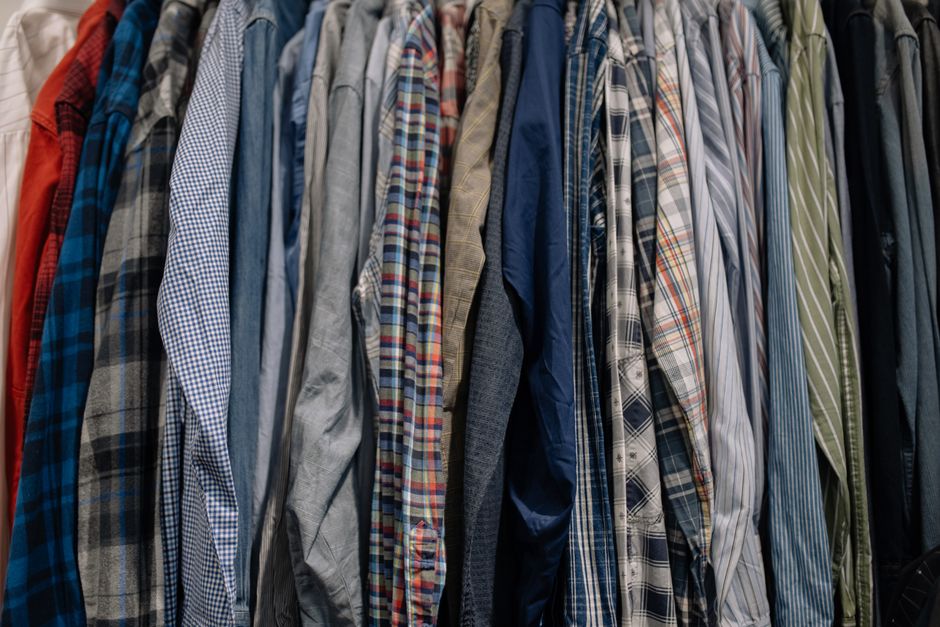
Before diving into a custom closet project, taking time to understand your needs will ensure your final design perfectly matches your lifestyle. This planning stage is where great closets begin.
Assess Your Current Situation Honestly
Start by evaluating what works and what doesn't in your current closet. What frustrates you most? Are you always searching for something? Do certain items never get worn because you can't see them? Do you lack space for seasonal clothes? Understanding these pain points helps designers create targeted solutions.
Spend a week noticing your daily habits. How many items do you hang versus fold? How often do you access different types of clothes? Do you regularly change outfits throughout the day? These observations reveal what your closet actually needs to support, not just what you think it should contain.
Consider Your Lifestyle and Work
Your career directly impacts closet needs. If you work from home, you might need minimal professional clothing but more casual comfortable items. A business professional needs organized access to tailored pieces, shoes, and accessories that coordinate well. Athletic enthusiasts require space for workout gear and proper ventilation. Your custom closet should prioritize what you actually use daily.
Think About Growth and Change
Will your wardrobe expand or shift in the coming years? Are you building a professional wardrobe, or do you expect your lifestyle to become more casual? Do you have children who will outgrow clothes, requiring different storage needs? A thoughtfully designed custom closet has room to evolve with you, even if it means reconfiguring some elements later.
Measure Twice, Design Once
Accurate measurements matter enormously. Know your closet's dimensions, including ceiling height, any architectural quirks like sloped roofs or protruding fixtures, and where doors swing. These details determine what designs are actually possible and prevent costly mistakes.
Organize by Category, Not Occasion
Think about organizing by clothing type: work clothes, casual wear, formal items, and accessories. Within each category, further organize by frequency of use. Items you wear weekly should be easily accessible, while seasonal or occasional pieces can occupy less convenient spaces.
Plan for Your Accessories
Belts, scarves, jewelry, bags, and shoes each deserve a home. Consider how you currently store these items and whether that system works. A custom closet can include specialized storage that keeps accessories visible and organized, making outfit coordination simpler.
Visualize Your Ideal Process
Imagine yourself getting ready on a typical morning. Picture walking to your closet and immediately finding an outfit without searching. This visualization helps you articulate what your custom closet needs to accomplish. Share this vision with your designer—it's the foundation for creating a space that truly enhances your life.